
 Blog
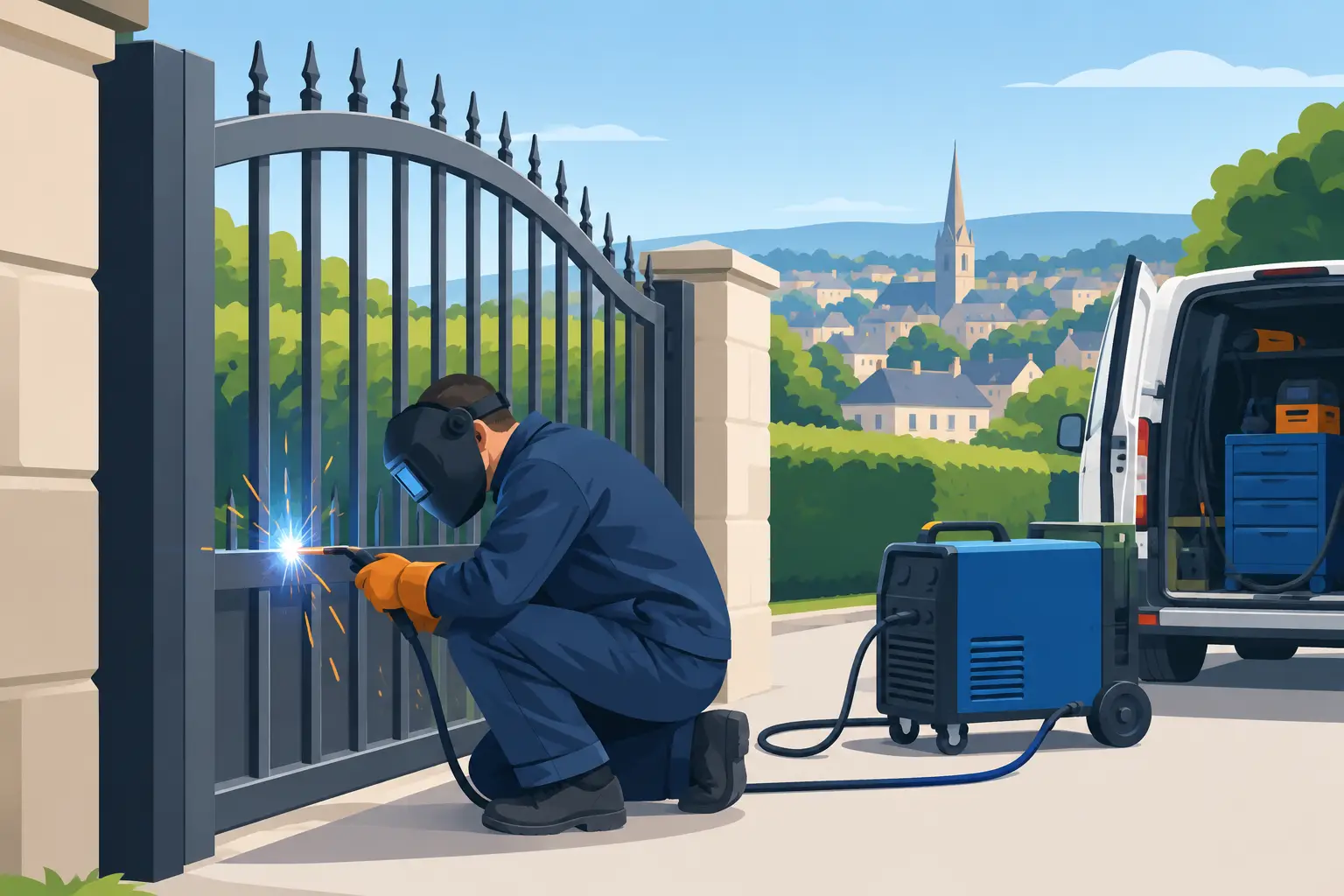
BlogA gate can look solid from the street and still be the weak point in a property’s perimeter. Sagging hinges, a poorly aligned latch, thin infill panels, or an unsuitable post can leave a driveway, yard, service entrance, or parking area difficult to secure. Gate fabrication and mobile welding in Cheltenham are often the starting point for creating an entrance that is strong enough for daily use and suitable for reliable access control.
For homeowners, a well-made gate can protect vehicles, improve privacy, and create a controlled boundary around the home. For commercial and industrial sites, it can help manage vehicle access, safeguard equipment, and reduce opportunities for unauthorized entry. The best result comes from considering the steelwork, the site conditions, and the security system as one connected project.
Start With the Purpose of the Gate
Fabrication should follow function, not just appearance. A pedestrian gate at the side of a home has different requirements from a sliding vehicle gate serving a busy warehouse or managed parking lot. Before steel is cut or welding begins, establish who will use the entrance, how frequently it will open, and what needs to be protected.
A residential driveway gate may need to accommodate family cars, deliveries, visitors, and emergency access while complementing the property. A commercial gate may need enough width and clearance for vans, trucks, forklifts, or waste collection vehicles. If the gate will be automated, its weight, swing path, ground level, hinges, and supporting posts all affect the choice of operator.
Security is equally important. Open-bar designs provide visibility and may suit sites where CCTV needs a clear view through the gate. Solid or closely spaced panels offer more privacy but can catch more wind and place additional strain on hinges and automation equipment. There is no universal best design. The right choice depends on the setting, exposure, traffic level, and desired balance between privacy and visibility.
What Quality Gate Fabrication Should Address
Good fabrication is more than joining metal sections together. It is the careful design of a structure that will carry its own weight, resist repeated movement, and remain aligned through changing weather conditions.
The frame needs appropriate material thickness and bracing for the width of the opening. Wider swing gates can place considerable force on posts and hinges, particularly where the site is exposed to wind. A gate that is under-engineered may begin to drag or twist, causing damage to locks, safety edges, and motors later on.
Attention to the finish matters as well. Steelwork installed outdoors needs protection against corrosion. Depending on the gate and environment, this may involve galvanizing, powder coating, or a suitable paint system. Coastal exposure, shaded areas that stay damp, and industrial locations can require more careful material and finish selection than a sheltered domestic entrance.
A fabricator should also allow for the practical components that make a gate secure: hinge positions, latch or lock housings, cable routes, stop points, drop bolts where appropriate, and fitting points for access-control hardware. Retrofitting these details after the gate is complete can be possible, but it is usually less tidy and may compromise the intended design.
Why Mobile Welding Can Be the Right Option
Mobile welding is useful when the work cannot reasonably be brought into a workshop. This may include repairing a cracked hinge bracket, strengthening a damaged post, modifying an existing gate opening, or completing site-specific steelwork where precise measurements are essential.
On-site welding can reduce disruption when a large gate, railing section, or support structure is already installed. It can also allow adjustments to be made against the actual ground level and existing walls or posts. That said, mobile welding is not automatically the best approach for every job. Workshop fabrication generally provides a more controlled environment for producing a new gate, while on-site work is often most valuable for installation, modifications, and repairs.
The work area must be assessed carefully. Welding near timber fencing, vehicles, electrical cables, gas supplies, or finished surfaces requires suitable protection and safe working practices. At a live commercial site, access routes and pedestrian safety also need to be managed so repairs do not create a new risk.
Plan Gate Automation Before the Build Is Complete
An automated gate is only as dependable as the structure it moves. A powerful motor cannot correct a gate that binds, drags, or has loose hinges. Before automation is installed, the gate should move freely by hand and remain correctly aligned throughout its travel.
Swing gates and sliding gates use different automation methods. Swing operators need adequate room behind the gate leaf and a safe arc of movement. Sliding gates require a level, clear track or cantilever arrangement, along with enough run-back space for the gate to open fully. The choice often comes down to the shape of the driveway, available space, surface gradient, and the type of vehicles using the entrance.
Safety equipment is not an optional extra. A professionally designed automated gate system may include photocells to detect vehicles or people in the opening, safety edges on potential trapping points, warning signage, manual release arrangements, and force settings appropriate to the gate. The exact equipment depends on the site and operator type, but the principle is straightforward: convenient access must never come at the expense of safe operation.
Power and communications should be considered early. Underground cabling, protected conduit, control cabinet placement, intercom wiring, keypad locations, and network connectivity are easier to organize before landscaping or paving is finalized. Planning these details early helps avoid visible surface cables and unnecessary excavation after the gate is installed.
Connect Entry Control to the Wider Security System
A fabricated gate becomes more valuable when it works with the rest of the property’s security. Video intercoms let residents or staff see and speak with a visitor before granting access. Keypads, fobs, cards, and mobile credentials can provide different permissions for family members, employees, contractors, and delivery teams.
For business properties, access control can create a clearer record of who is allowed through a gate and when. This is useful for offices, industrial yards, storage facilities, healthcare sites, and managed parking areas where access needs to be controlled without relying on a member of staff to open the gate manually.
CCTV should be positioned to capture the approach to the gate, the entrance itself, and the area immediately inside the boundary. The camera view needs to account for headlights, low sun, darkness, and the position of gate bars or solid panels. A camera that sees only the top of a vehicle or is blocked when the gate opens will not provide the reassurance the system was intended to deliver.
JP Security approaches automated gates, intercoms, CCTV, alarms, and access control as connected parts of property protection. With 37 years of experience, the focus is on selecting equipment that fits the site and making sure it is installed to support safe, controlled access.
Repairs and Maintenance Protect the Original Investment
Even well-fabricated gates need routine attention. Repeated movement, vehicle contact, ground settlement, weather, and general wear can affect alignment over time. A small issue, such as a noisy hinge or a gate catching on the ground, should not be ignored. Continued operation can place extra load on the operator and turn a straightforward adjustment into a larger repair.
Regular inspections should cover hinges, rollers, tracks, fixings, welds, safety devices, locks, and visible cable damage. Automated gates also need functional checks of photocells, emergency release systems, remote controls, and intercom operation. For commercial sites, planned maintenance can reduce avoidable downtime at entrances that are essential to daily operations.
If a gate has been struck by a vehicle or shows cracking around a hinge, isolate the automation where necessary and arrange an assessment before putting it back into service. A repair that restores movement without checking the supporting structure may only hide the original problem.
Choose a Solution That Works for the Site
The most secure gate is not necessarily the heaviest or most expensive one. It is the gate that fits the opening, withstands local conditions, works safely every day, and integrates properly with the way people and vehicles need to enter the property.
Whether you are planning a new boundary, repairing existing steelwork, or preparing a gate for automation, begin with a proper site assessment. Speak to an expert about the gate’s movement, access requirements, safety features, and how it can support the wider security of your home or business.
