
 Blog
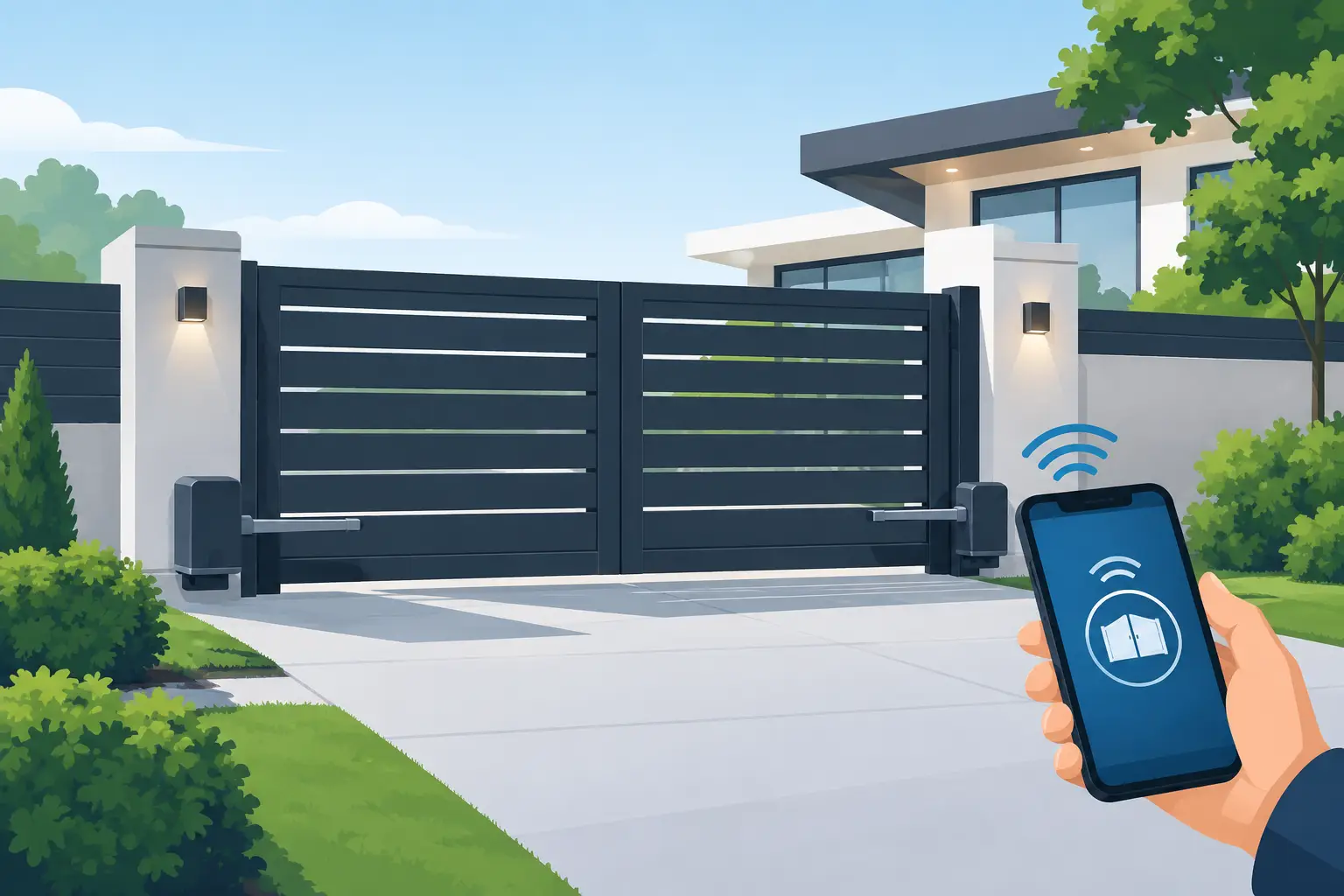
BlogA gate that opens inconsistently, reverses without warning, or can no longer be controlled by its original installer is more than an inconvenience. It can leave a driveway, loading area, or private parking lot exposed at the point where security should be strongest. Electric gate and gate automation system takeovers provide a practical route forward when an existing system needs professional repair, modernization, or ongoing support.
For homeowners and businesses across Gloucestershire, taking over an established gate system can often be more cost-effective than replacing every component. The right approach depends on the condition of the gate, the age of the automation, the safety equipment already fitted, and whether the controls still meet the property’s access requirements.
What Is an Electric Gate Automation Takeover?
A takeover is the process of assessing and assuming responsibility for an existing automated gate system installed by another company. It may involve a gate that has been left unsupported after an installer has closed, a property that has changed ownership, or equipment that is no longer working as it should.
The first step is not simply changing remotes or replacing a control board. A professional technician should inspect the whole installation: the gate leaves or sliding track, motors, hinges, safety edges, photocells, cabling, power supply, control panel, release mechanism, and methods used to request entry.
That assessment establishes whether the system can be repaired safely, whether selected components should be upgraded, or whether a larger replacement is the sensible long-term decision. A well-built gate may have years of useful life left even when its original controls or intercom have become outdated.
Why Existing Gate Systems Need Professional Attention
Automatic gates operate heavy moving structures. A fault can create a security gap, stop deliveries and staff access, or introduce a risk to people and vehicles. The visible problem is not always the underlying cause.
A gate that fails to close may have a worn motor, damaged underground cable, obstructed photocell, poorly adjusted limit setting, or control-board issue. A gate that stops partway through its cycle may be reacting correctly to a safety input, even though that input needs attention. Repeatedly overriding the system without identifying the fault can make the problem worse.
Older systems also commonly have limited access options. A homeowner may want to see and speak to a visitor from a smartphone. A property manager may need separate permissions for residents, contractors, deliveries, and maintenance teams. A commercial site may need timed vehicle access and reliable records of who entered. These requirements can often be added without starting from scratch, but only after the gate and safety functions have been checked.
The Takeover Assessment: What Should Be Checked
A proper electric gate and gate automation system takeover starts with the mechanical condition of the gate itself. Automation cannot compensate for a gate that is dragging, poorly aligned, damaged, or difficult to move manually. Swing gates need sound posts, hinges, and clear travel. Sliding gates need a stable track or cantilever arrangement, correct rack alignment, and a clear path free from debris.
The automation equipment then needs to be identified and tested. Many sites have systems from established manufacturers such as BFT, CAME, DEA, and FAAC. Where suitable, existing equipment can often be serviced and supported. However, availability of parts, the condition of the wiring, and the reliability of the control board all influence whether repair is worthwhile.
Safety is central to every assessment. Photocells should detect vehicles, people, and obstructions as intended. Safety edges, where fitted, must respond correctly. The gate’s force settings, stopping behavior, manual release, warning devices, and emergency access arrangements should also be reviewed. This is especially important on shared driveways, apartment developments, schools, healthcare facilities, industrial yards, and busy commercial entrances.
Finally, the technician should examine how users enter and exit. Remote fobs, keypad codes, GSM calling, video intercoms, vehicle loops, and access-control readers each suit different properties. A family home may prioritize video verification and simple mobile access. A warehouse may need hands-free vehicle access combined with controlled staff entry. There is no single setup that is right for every gate.
Repair, Upgrade, or Replace?
The best answer is often a combination of repair and upgrade. If the gate structure, motors, and cable routes are in good condition, replacing a failed receiver or obsolete control panel can restore dependable operation at a sensible cost. New remotes, a keypad, or video intercom can improve daily convenience at the same time.
A full replacement becomes more appropriate when the gate is structurally compromised, the automation has become unreliable, safety provisions cannot be brought up to a suitable standard, or replacement parts are no longer practical to obtain. It can also be the better decision when the existing system was never designed for the volume of traffic now using it.
For example, a gate fitted for occasional residential use may struggle at a busy managed parking area. Continual cycling accelerates wear on motors, gears, hinges, and control components. Choosing higher-duty equipment may cost more initially, but it can reduce interruptions and repair costs over the life of the system.
Bringing Access Control and Intercoms Together
A takeover is an opportunity to make access more controlled without making it difficult for authorized users. Video and audio intercoms allow occupants or reception staff to confirm visitors before releasing the gate. For properties where keys and fobs are regularly lost or passed between people, keypad codes and managed credentials provide more control.
Larger sites may benefit from integrating the gate with access control. A system such as Paxton can assign permissions to specific users, restrict access by time, and make it easier to remove access when staff, tenants, or contractors leave. This is useful for offices, retail premises, industrial sites, and multi-occupancy developments.
Remote operation should be selected with care. Smartphone and GSM-based systems are convenient, particularly for owners who are away from the property, but they depend on suitable network coverage and careful administration of authorized numbers. A backup method of entry and a manual release plan remain essential.
Maintenance Keeps Gates Safe and Dependable
Automation works hardest at the parts people rarely see: hinges, underground conduits, moving racks, motor gears, safety devices, and electrical connections. Regular maintenance helps spot small faults before they leave a gate open, closed, or unsafe.
A service visit can include lubrication where appropriate, alignment checks, testing safety devices, inspecting cables and enclosures, confirming manual release operation, reviewing force settings, and checking remotes or access credentials. The required frequency depends on the gate’s environment and use. A private residential gate may need less attention than a commercial entrance operating hundreds of times each week.
Property managers should also keep a clear process for reporting faults. Drivers and residents may notice slow movement, unusual noise, inconsistent closing, or damaged photocells before a complete failure occurs. Prompt attention protects access, limits disruption, and reduces the temptation for users to bypass security measures.
Choosing the Right Local Specialist
A gate takeover should be handled by a company able to assess mechanical, electrical, safety, and access-control issues together. A quick control-board swap may appear to solve the immediate issue, but it does not address a binding gate leaf, weak safety coverage, or unsuitable access arrangements.
JP Security brings 37 years of electronic security experience to gate automation assessments, repairs, upgrades, and integrated entry systems. The goal is to provide a clear recommendation based on the equipment in front of you, the people using the site, and the level of protection the property requires.
If your gate has been left without support, do not wait for a complete failure at the worst possible moment. A professional inspection can identify what is serviceable, what needs attention now, and what can be planned for later, giving you a safer and more dependable entrance every day.

Paxton Takeovers In Cheltenham And Gloucestershire
September 15, 2026 5:06 pm[…] alongside other security equipment. A door entry panel may release a Paxton-controlled door. An automated gate may need access authorization for staff vehicles. CCTV may be used to review an event recorded by […]