
- Grosvenor Street, Cheltenham, GL52 2SQ
- Monday to Friday: 8.00 am - 7.00 pm
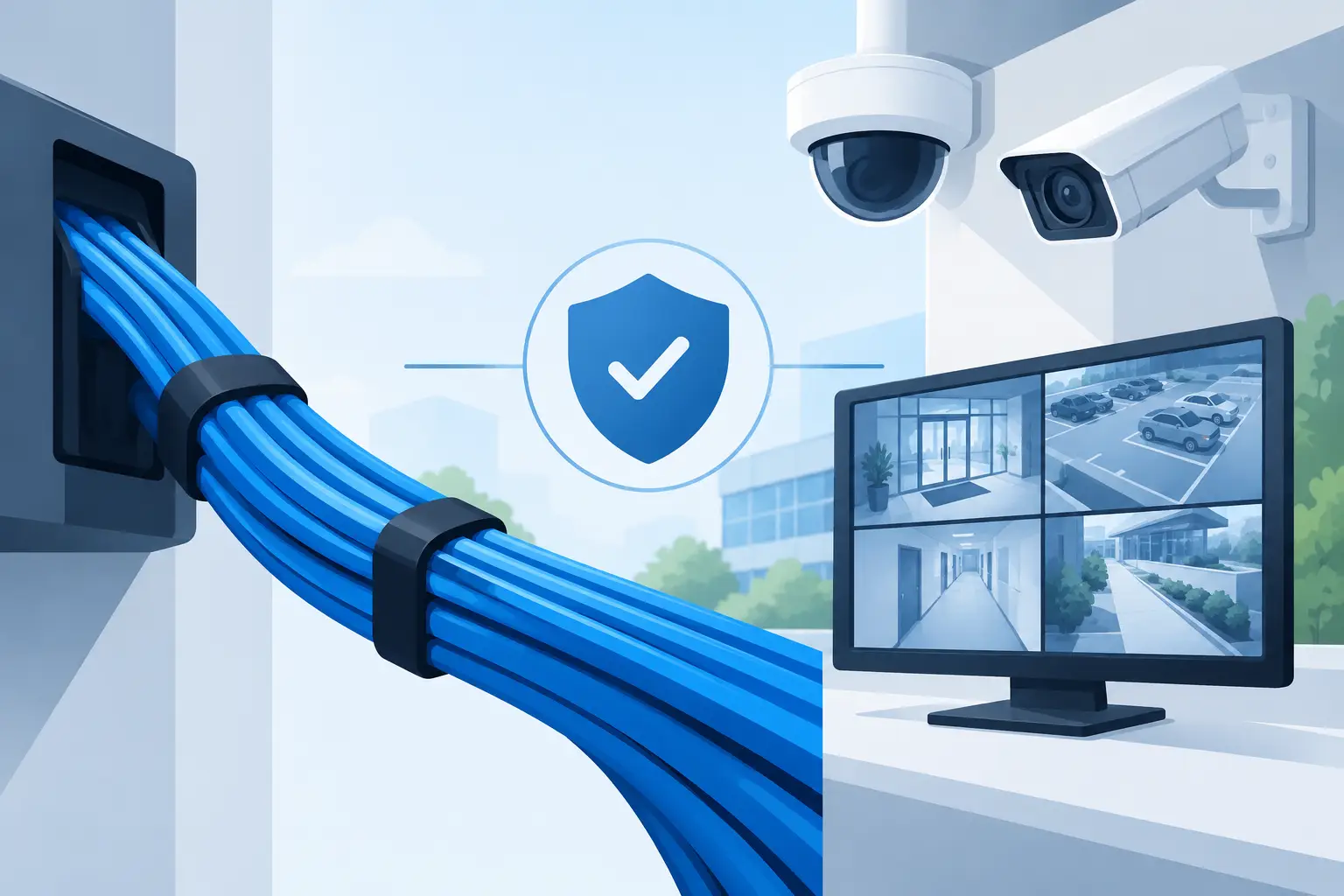
Data cabling systems serve as the backbone of modern communication and networking infrastructures, facilitating the transfer of data between devices. These systems are essential in both residential and commercial environments, ensuring efficient connectivity for various applications, from internet access to telephony and beyond.
At its core, a data cabling system consists of various types of cabling designed to transmit data signals. Commonly used cabling types include Ethernet cables, fiber optic cables, and coaxial cables, each serving distinct purposes based on their unique characteristics. Ethernet cables, such as Cat5e, Cat6, and Cat6a, are prevalent in local area networks (LANs) due to their effectiveness in supporting high-speed data transmission over relatively short distances.
Fiber optic cables are increasingly popular for their ability to transmit data over much longer distances without signal degradation, making them ideal for backbone connections in larger networks. Meanwhile, coaxial cables, often associated with cable television, can also support data transmission but are less common in new installations compared to Ethernet and fiber optic solutions.
The importance of a well-designed data cabling system cannot be overstated. As businesses and individuals rely more on technology, having a robust cabling infrastructure ensures reliable communication. A reliable data cabling system can significantly enhance network performance, support multiple devices, and accommodate future technological advancements. As such, understanding the various data cabling options available is crucial for anyone looking to establish or upgrade their networking capabilities in Cheltenham and Gloucestershire.
Data cabling systems play a crucial role in establishing reliable and efficient communication networks. In Cheltenham and Gloucestershire, various types of data cabling are utilized for different applications, including office setups, residential installations, and outdoor environments. Understanding these cabling types will help determine the most suitable option for specific needs.
Cat5e Cables: Category 5e cables are an enhanced version of the original Cat5, providing improved performance for network applications. They support data transmission speeds of up to 1 Gbps over distances of 100 meters, making them ideal for basic networking needs. Cat5e is commonly used for home networking and small businesses where high-speed internet connectivity is necessary.
Cat6 Cables: Category 6 cables offer even greater performance, supporting speeds of up to 10 Gbps for distances up to 55 meters. This type of cable is particularly advantageous in environments with high data traffic, such as large office spaces and data centers. Cat6 cables also feature better insulation, reducing crosstalk and improving overall signal quality, which is essential for maintaining efficient data transmission.
Fiber Optic Cables: Fiber optics use light signals to transmit data, making them incredibly fast. Capable of supporting speeds exceeding 100 Gbps, fiber optic cables are an excellent choice for long-distance communication and applications requiring high bandwidth, such as internet service providers and telecommunications. These cables are less susceptible to interference and can transmit data over much longer distances compared to copper cables.
Coaxial Cables: Coaxial cables, often recognized for their role in television transmission, are suitable for internet connectivity as well. They have a central conductor surrounded by insulating material and shielding, which makes them resistant to electromagnetic interference. Coaxial cables are still widely used for both broadband internet and cable TV installations, particularly in areas where fiber or newer technologies have not yet been deployed.
The installation of data cabling systems is a crucial aspect of creating a reliable network infrastructure in Cheltenham and Gloucestershire. Several factors need to be considered to ensure optimal performance and compliance with local regulations. Effective planning is the first step in the installation process. It is essential to assess the layout of the premises to determine the most efficient routing for the cables. This planning stage should also include evaluating the existing electrical framework to avoid interference with data signals.
Once the planning phase is complete, best practices for installation should be followed. Employing appropriate cabling techniques can significantly influence the reliability and longevity of the data cabling system. It is essential to use high-quality materials and components that meet industry standards. For instance, utilizing CAT6 or higher cabling can provide better support for high-bandwidth applications. Additionally, ensuring that the cables are installed away from potential sources of electromagnetic interference is critical.
Compliance with local regulations is another essential aspect of data cabling installation. In Cheltenham and Gloucestershire, specific codes and standards must be adhered to, often dictated by local authorities or industry guidelines. It is advisable to consult with a local expert to ensure all installations meet the required legal frameworks.
Despite thorough planning and adherence to best practices, installers may encounter challenges during the installation process. Issues could arise from unexpected structural obstacles or variations in wall materials. To manage these challenges effectively, installers can develop contingency plans and maintain flexibility during the installation process. Ensuring regular communication among the installation team can also mitigate potential setbacks and enhance project efficiency.
By considering these critical factors and addressing challenges proactively, the installation of data cabling systems in Cheltenham and Gloucestershire can be significantly streamlined, resulting in a robust and efficient network infrastructure.
The field of data cabling technology is poised for significant advancements that promise to enhance the speed, efficiency, and overall performance of network infrastructure. One of the most notable trends is the evolution towards faster data transmission capabilities. With the rise of technologies such as 5G and fiber optic cabling, businesses and residences in Cheltenham and Gloucestershire can anticipate a shift towards greater bandwidth availability. These advancements will enable faster internet speeds and accommodate the increasing demand for high-definition streaming, cloud computing, and other data-intensive applications.
Moreover, the importance of efficiency in data cabling cannot be overstated. Emerging technologies that optimize power consumption and reduce waste will likely become essential in future installations. New cabling materials and methods are being developed that not only enhance performance but also focus on sustainability. This is particularly relevant as more organizations prioritize environmentally friendly practices, pushing the adoption of energy-efficient data solutions.
Another significant trend is the integration of smart building technologies into data cabling systems. As homes and businesses become increasingly connected through the Internet of Things (IoT), the demand for robust and adaptable cabling frameworks will rise. Smart sensors, automated systems, and real-time data analytics will necessitate the implementation of advanced cabling solutions that can support extensive network demands. This evolution will likely lead to a shift in how data cabling is designed, installed, and maintained.
Looking ahead, businesses and residences in Cheltenham and Gloucestershire should prepare for a more interconnected future supported by emerging trends in data cabling technology. These advancements will not only enhance the user experience but also ensure that investments in cabling systems remain relevant and efficient. As the industry continues to evolve, staying informed about these developments will be essential for successful installations and upgrades, ensuring that both commercial and residential networks are equipped to handle the demands of tomorrow’s technology.