
 Blog
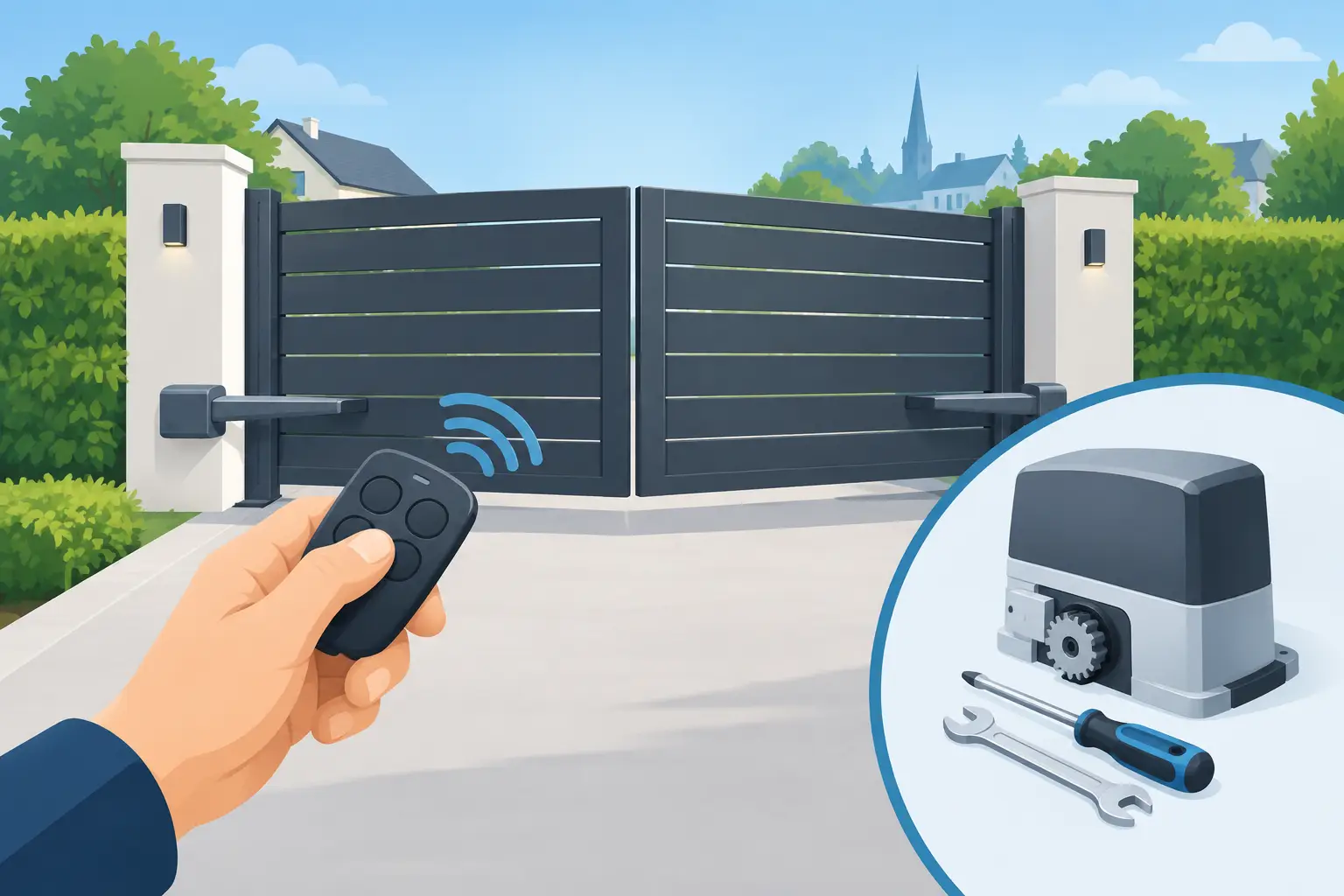
BlogA gate that will not open is more than an inconvenience when you are trying to leave for work, receive a delivery, or secure a business site at the end of the day. For CAME gate automation remotes and repairs in Cheltenham and Gloucestershire, the right answer depends on whether the issue is a simple transmitter problem, a safety-device fault, or a mechanical issue within the gate itself.
CAME automation is widely used on residential driveways, commercial entrances, apartment developments, and managed sites. It is dependable equipment when correctly installed and maintained, but every automated gate is a working access system exposed to weather, daily use, vehicles, and occasional accidental damage. A professional diagnosis protects the gate, the people using it, and the security of the property.
When a CAME Gate Remote Stops Working
A non-working remote does not always mean the remote has failed. Start with the obvious checks: make sure the gate has power, try a second programmed remote if one is available, and replace the remote battery with the correct type. If another remote operates the gate normally, the original transmitter may need a battery, repair, or replacement.
If no remotes work, the problem may be at the control panel rather than in the handheld transmitter. A tripped electrical supply, failed control-board component, damaged receiver, or gate safety fault can prevent the system from responding. This is particularly common after a power cut, electrical work, flooding, or a lightning-related surge.
It is also worth considering range. A remote that only works when held close to the gate may be affected by a weakening battery, interference, receiver position, or damage to the aerial. Do not assume a new remote will solve a poor-range issue until the system has been checked.
Replacing and Programming CAME Remotes
CAME remotes must be compatible with the receiver and control equipment fitted to the gate. Similar-looking transmitters are not necessarily interchangeable, and older systems may use different coding methods from newer equipment. Buying an unverified replacement can leave you with a remote that cannot be programmed or one that works unreliably.
Programming may involve learning the remote directly into the receiver or control board. On a straightforward domestic system, this can be quick work. However, it should be approached carefully on shared entrances, commercial sites, and properties with multiple users. Adding a remote is also an access-control decision: the system owner should know exactly who has authorization to enter.
When a remote has been lost or stolen, simply issuing a new one is not always enough. The lost transmitter may still operate the gate. Depending on the equipment installed, a technician can remove individual credentials, clear and reprogram the receiver, or recommend an upgrade that gives the site better control over users and permissions.
CAME Gate Repairs in Cheltenham and Gloucestershire
A gate can look like it has a remote problem when the real cause is elsewhere. Automated gates are designed to stop or reverse when their safety circuits detect an obstruction or fault. That is essential protection, but it means a damaged photocell, misaligned safety beam, broken cable, or obstructed gate track can stop normal operation.
Common repair symptoms include a gate that opens but will not close, one leaf moving while the other remains still, repeated stopping midway, unusual noises from the motor, or a gate that has become slow and jerky. Swing gates may suffer from worn hinges, misaligned leaves, or actuator mounting movement. Sliding gates can be affected by debris in the track, damaged racks, worn guide rollers, or an impact from a vehicle.
The control panel can also give useful clues. Flashing lights, error indications, or clicking without movement may point to a particular circuit or component. Yet fault codes should be interpreted alongside an on-site inspection. Replacing parts without checking the gate’s physical movement, electrical supply, safety devices, and settings can create repeat failures and unnecessary cost.
Safety Comes Before Convenience
An automated gate is a powerful moving machine, not just an electronic entrance. Never bypass photocells, hold down a control button to force movement, or alter the motor settings to make a fault disappear. These measures can create a serious risk to children, visitors, staff, and vehicles.
If the gate is stuck open, it may be possible to use the manufacturer’s manual release to secure the entrance temporarily. The release procedure varies by operator, and the gate should only be moved when it is safe to do so. A heavy gate on a slope, a damaged track, or a broken hinge needs professional attention before anyone attempts manual operation.
For businesses, apartment blocks, schools, healthcare settings, and industrial sites, a fault can affect more than one vehicle. The repair process should consider safe access for deliveries, emergency entry, pedestrian routes, and temporary security while the gate is out of service.
Repair, Upgrade, or Replace?
A repair is often the sensible choice when the CAME motors and gate structure are in good condition. Replacing a receiver, remote, photocell, control-board component, or worn mechanical part can restore reliable operation without changing the entire system.
An upgrade may be better where the gate works but access management has become difficult. A property with many remotes in circulation may benefit from a video intercom, keypad, proximity fobs, GSM calling, or Paxton access control. These options can give homeowners and site managers greater visibility of who is arriving and a clearer way to add or remove access permissions.
Full replacement becomes more likely when motors are obsolete, the gate has sustained major impact damage, replacement parts are no longer economical, or the original installation does not meet current safety expectations. The best solution is not automatically the newest product. It is the system that suits the gate’s size and weight, daily usage, site layout, security requirements, and future plans.
What a Professional Gate Visit Should Cover
A proper repair visit goes beyond changing a battery or resetting the system. The technician should assess the gate’s movement, inspect hinges or sliding hardware, test safety photocells and edges where fitted, check the electrical supply and control enclosure, and confirm that the manual release works correctly.
They should also consider the user experience. Is the remote range practical from the road? Does the gate close at a safe and appropriate speed? Are visitors able to call the property? Can authorized staff or tenants enter without relying on a shared remote? These details turn an automated gate into a dependable part of the property’s wider security plan.
JP Security supports homeowners, businesses, and managed properties with CAME equipment as well as integrated gate, intercom, CCTV, and access-control solutions. With 37 years of experience, the focus is on identifying the actual cause of the fault and recommending a practical repair or improvement rather than treating every problem as a replacement sale.
Keeping Your Gate Reliable Between Service Visits
Routine attention helps prevent avoidable callouts. Keep the area around sliding tracks clear of leaves, gravel, and ice. Check that photocells are clean and unobstructed, especially after gardening work or bad weather. Listen for new grinding, banging, or straining noises, and arrange an inspection before the gate stops completely.
Keep a record of who holds remotes and recover them when tenants, employees, or contractors no longer need access. If a transmitter is lost, report it promptly. This simple administrative step matters just as much as the condition of the motor when the gate protects your home, vehicles, stock, or staff.
A reliable CAME gate should make arrival and departure feel controlled, not uncertain. If your remote has failed, the gate is behaving unpredictably, or access needs have changed, speaking to a local gate specialist early can restore safe operation before a minor issue becomes a security problem.
