
 Blog
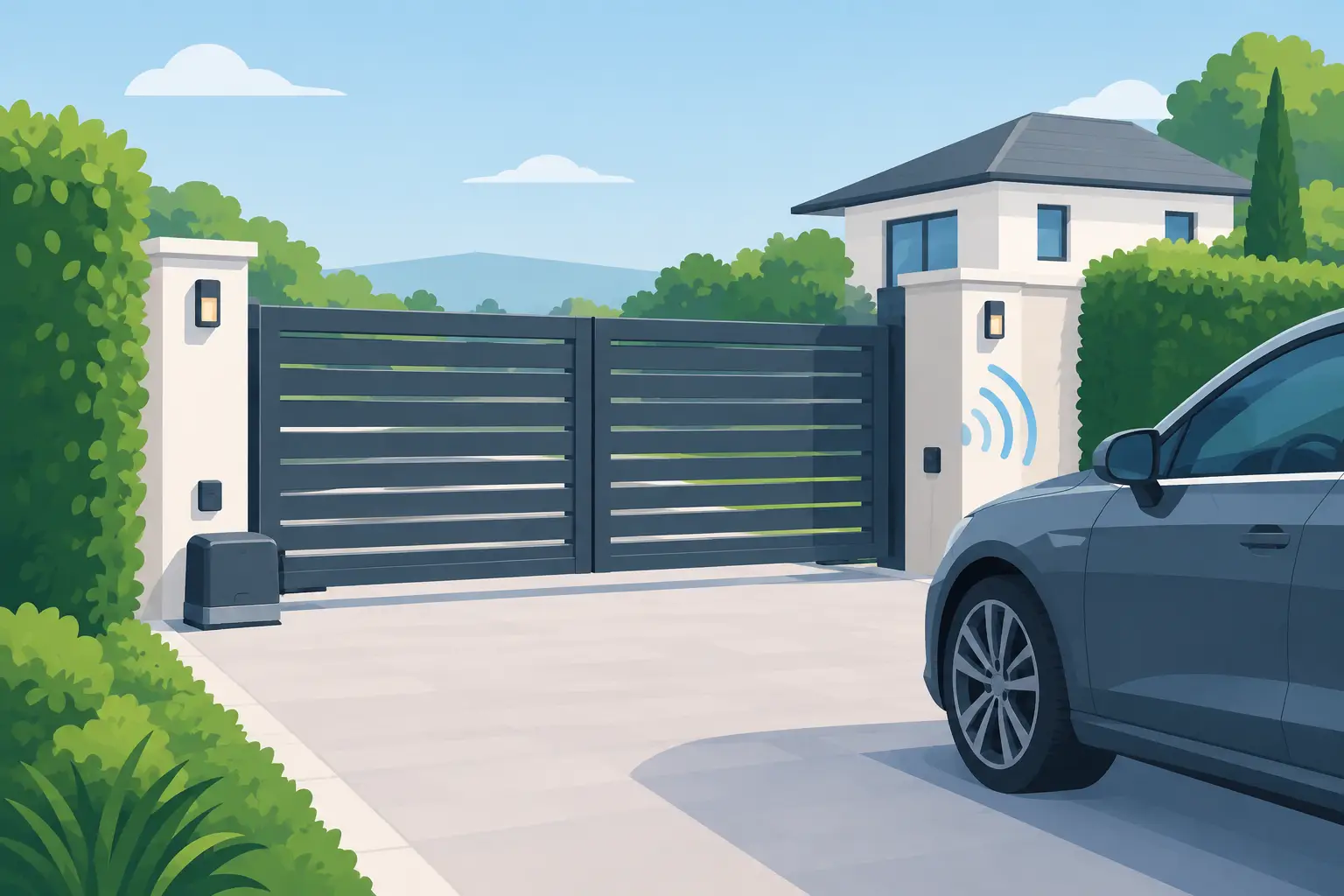
BlogA gate is often the first point of contact with your property. If it is left open, difficult to operate, or fitted with unreliable equipment, it can undermine the security measures behind it. Professional gate automation Cheltenham property owners can depend on turns that vulnerable point into a controlled entrance, giving you a practical way to manage vehicles, visitors, deliveries, and everyday access.
For a family home, that may mean opening the driveway gate from inside the car and seeing who has arrived before granting entry. For a business, residential development, farm, or healthcare site, it can mean setting clear access rules without leaving staff to manage a gate by hand. The right system should make access simpler while helping protect people, vehicles, and premises.
What Gate Automation Cheltenham Properties Need
There is no single gate operator that suits every site. The most suitable design depends on the gate itself, how frequently it will be used, the available space, and the level of security required. A light residential gate used a few times each day has very different demands from a busy commercial entrance serving staff, suppliers, and customers.
Swing gates are a popular choice where there is enough clear space for the leaves to open inward. They can work particularly well on private driveways and can be automated with underground or above-ground operators. Underground equipment offers a discreet finish, while above-ground motors may be more accessible for servicing. The best option depends on the gate construction, ground conditions, and the look you want to achieve.
Sliding gates are often the practical answer where a driveway slopes, space behind the gate is limited, or a wide opening needs to be secured. Rather than swinging into the property, the gate moves along a track or cantilever system. They are commonly specified for commercial, industrial, and managed sites because they can accommodate larger openings and more frequent use.
The gate and automation must be designed as one system. A motor cannot compensate for poorly aligned hinges, a dragging gate, inadequate foundations, or a gate that is too heavy for its operator. This is why a site assessment matters. An experienced installer will consider the gate’s weight, travel, structural condition, wind exposure, and likely daily use before recommending equipment.
Convenience Should Never Override Safety
Automated gates move heavy structures. Safety is not an optional extra, particularly where children, pedestrians, visitors, or public access may be involved. A professionally installed system uses a combination of safeguards to reduce the risk of trapping or impact.
Photocells are one of the most common features. These sensors create a beam across the entrance and stop or reverse the gate if a person, vehicle, or object interrupts it. Safety edges can also be fitted to the leading edge of a gate, helping detect contact and stop movement. Depending on the site, additional measures may include warning signs, separate pedestrian access, force limitation, and clearly positioned controls.
The precise safety arrangement depends on the gate layout. A sliding gate has different potential pinch points from a pair of swing gates, and a shared commercial entrance needs more consideration than a private drive. A professional survey identifies these risks before installation rather than treating them as an afterthought.
Maintenance also has a direct bearing on safe operation. Leaves can sag, tracks can collect debris, sensors can become misaligned, and mechanical components can wear over time. If a gate starts reversing unexpectedly, fails to close fully, makes unusual noises, or requires manual force to move, it should be inspected rather than ignored.
Choosing How People Open the Gate
Automation is most useful when access is controlled in a way that suits real life. A simple remote control may be all a homeowner needs, but many properties benefit from combining several entry methods.
A video intercom lets you see and speak to a visitor before releasing the gate. This is useful for homes, apartments, offices, and sites where deliveries are frequent. It avoids the need to walk to the entrance and gives residents or staff a better basis for deciding whether to allow access.
Keypads offer a practical option for trusted visitors, contractors, or staff. Codes can be changed when circumstances change, which is preferable to collecting physical keys from former tenants or employees. Proximity fobs and access-control readers can provide an even more managed approach, with permissions issued to specific users and removed when no longer needed.
For commercial premises, car parks, and multi-user sites, access control can be linked to barriers, gates, and doors as part of a wider security plan. A system can be set up so that authorized staff enter easily while visitors use an intercom or reception point. This creates a clearer record of who can access the site and reduces the chance of the entrance being left unsecured.
Remote control through a smartphone can be valuable too, especially for property managers or homeowners who travel. It may allow you to check gate status and grant access without being physically at the property. However, remote features should be chosen for a genuine need, not simply because they are available. Reliable local controls and a safe manual release remain essential if there is a power outage or connectivity issue.
Integrating Gates With Wider Property Security
An electric gate is a strong first layer of protection, but it works best as part of a considered security system. CCTV coverage at the entrance can help you see approaching vehicles, confirm visitor activity, and review events if there is a concern. A camera position should be planned carefully so that number plates, faces, and the gate area are visible in the lighting conditions likely to occur on site.
For a home, a gate, video intercom, driveway camera, and alarm system can provide a more complete picture of activity around the property. For a business, gates can work alongside access control, CCTV, intruder alarms, and structured network cabling. The benefit is not just more equipment. It is a system designed so that each part supports the others.
This integrated approach is especially helpful when upgrading an established property. You may already have a gate in place but need a new operator, replacement safety devices, an intercom upgrade, or better camera coverage. There is often no need to replace everything at once. A knowledgeable technician can assess what remains serviceable and recommend a sensible path forward.
Planning for Daily Use and Long-Term Reliability
Before choosing gate automation, consider who uses the entrance and what happens at busy times. A domestic driveway may only need a quiet, dependable operator and simple visitor communication. A retail yard might need quick opening and closing, delivery access, and reliable operation throughout the working day. An industrial site may need a heavier-duty solution with controlled access for authorized vehicles.
Power supply and cabling should be planned early. Poorly protected cables, unsuitable electrical work, and rushed trenching can create future faults and unnecessary disruption. Where a full wired connection is difficult, there may be alternative approaches, but these should be assessed against expected use, reliability requirements, and the physical conditions of the site.
It is also worth thinking about the practical details that are easy to overlook: drainage around underground operators, a clear sliding-gate track, room for a vehicle to wait without blocking the road, and an accessible manual release. These details influence whether a system remains convenient and dependable year after year.
Established manufacturers such as BFT, CAME, DEA, and FAAC offer equipment for a range of gate types and duty levels. The most suitable brand and model will depend on the installation, not a one-size-fits-all recommendation. Correct sizing, careful installation, and ongoing support matter more than choosing a motor based on its name alone.
When Repair or Upgrade Is the Better Choice
Not every problem requires a new gate system. Existing automation can often be repaired or improved if the gate structure is sound and compatible components are available. Replacing worn photocells, damaged control boards, remotes, safety edges, or intercom equipment may restore reliable operation at a lower cost than a full replacement.
An upgrade may also be the right route when a gate works mechanically but no longer provides the control you need. Adding a video intercom, updated access-control credentials, CCTV coverage, or modern safety devices can make an older entrance far more useful.
JP Security provides tailored gate automation, repairs, and integrated access solutions across Cheltenham and the wider Gloucestershire area. With 37 years of experience, the focus is on specifying equipment that fits the property, the people using it, and the level of protection required.
A well-planned automated gate does more than save you from getting out of the car in the rain. It gives you a controlled boundary, a safer way to welcome legitimate visitors, and greater confidence that your property is protected from the moment someone arrives.
