
 Blog
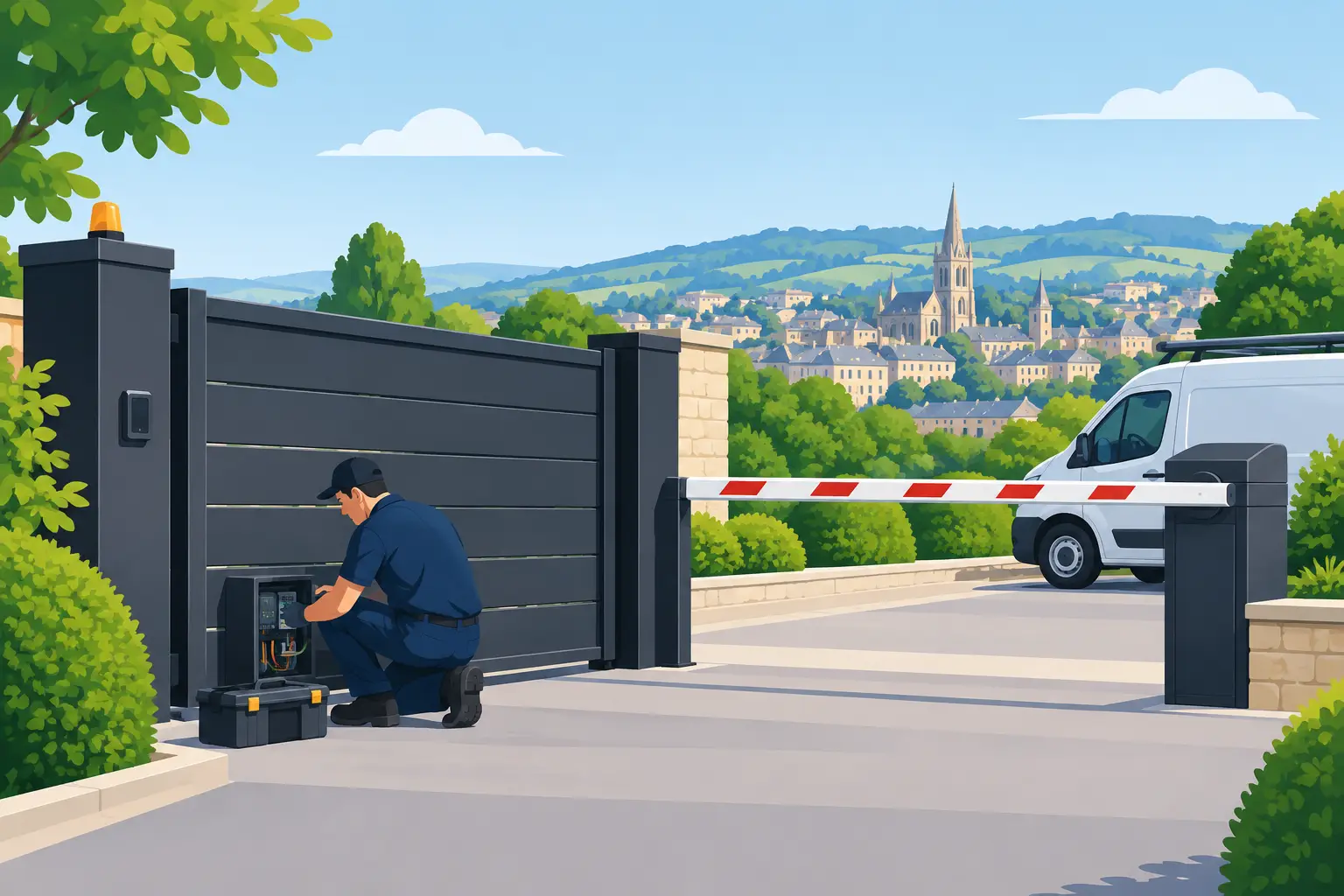
BlogA gate that hesitates halfway across a driveway or a car park barrier that stays raised can quickly become more than an inconvenience. It can leave a home, business, staff parking area, or managed site exposed. Professional electric gates and barrier maintenance in Cheltenham and Gloucestershire helps keep automated access working as intended: secure when it needs to be secure, convenient for authorized users, and safe around people and vehicles.
For homeowners, a well-maintained gate protects the boundary of the property while making daily arrivals easier. For businesses, landlords, facilities managers, and site operators, it supports controlled vehicle access and prevents avoidable disruption. The difference between a minor adjustment and an unexpected breakdown is often regular, knowledgeable servicing.
Why electric gate and barrier maintenance matters
Electric gates and traffic barriers are working mechanical and electrical systems. Every opening cycle places demand on motors, hinges, rollers, chains, control panels, safety devices, keypads, intercoms, and remote controls. Outdoor equipment also faces rain, wind, frost, dirt, insects, road debris, and temperature changes throughout the Gloucestershire year.
A system may appear to be operating normally while wear is building in the background. A gate can begin moving more slowly because its track needs attention, its hinges have tightened, or the motor is working harder than it should. A barrier may still lift but fail to close consistently because of an issue with its safety loop, photocells, spring balance, or control settings.
Planned maintenance identifies these warning signs before a busy morning, a tenant changeover, or an after-hours access problem turns them into a security issue. It also helps protect the investment in the system by reducing unnecessary strain on key components.
What a professional maintenance visit should cover
A proper service is not simply a quick test of whether the gate opens. It should consider the full access system and how it is being used on site. The exact work depends on the type of equipment, its age, location, and daily traffic, but a technician will normally inspect the mechanical movement, electrical controls, and safety functions together.
Mechanical condition and smooth operation
Swing gates, sliding gates, rising arm barriers, and bollard systems all have different moving parts. Hinges, rollers, tracks, guide wheels, mounting points, brackets, locks, and stops need to be secure and correctly aligned. Wear in any of these areas can cause noisy movement, slow operation, or damage to the automation equipment.
Lubrication must be applied carefully and only where appropriate. Too little can increase friction, while the wrong product or excessive lubricant can attract grit and create another problem. A technician should also check for obstructions, corrosion, loose fixings, ground movement, and signs that a vehicle has made contact with the equipment.
Motors, control panels, and power supply
Gate automation relies on the relationship between the motor, gearbox, control board, wiring, and power source. During maintenance, the installer can look for damaged cables, water ingress, overheating, loose terminals, worn motor components, and irregular control-board behavior.
Backup batteries deserve attention as well. They can be critical where access must continue during a power cut, but batteries naturally lose capacity over time. If a gate or barrier has begun behaving unpredictably after outages, an aging backup battery or charging issue may be part of the cause.
Safety devices and force settings
Safety is central to every automated entrance. Photocells, safety edges, induction loops, warning lights, and manual release mechanisms should be checked to make sure the system responds correctly when a person, vehicle, or obstruction is detected.
Force settings should not be increased simply to make a gate overcome resistance. That can mask a mechanical fault and create a safety risk. The right approach is to find why the gate is struggling, correct the underlying issue, and then confirm that operating settings are suitable for the equipment and location.
Access controls and communications
A gate may be connected to a keypad, fob reader, telephone entry system, video intercom, Paxton access control system, or a mobile-based access solution. These components need checking alongside the gate itself. There is little value in a perfectly functioning motor if residents cannot call visitors in, staff credentials are not recognized, or delivery drivers cannot use the approved entry point.
For commercial sites, maintenance is also a useful time to review access permissions. Former employees, contractors, or tenants may still hold active fobs or codes. Updating permissions is a straightforward step that improves control without changing the whole system.
How often should gates and barriers be serviced?
There is no single schedule that suits every property. A private residential gate used a few times each day has different demands from a barrier at a retail car park, industrial yard, apartment development, healthcare facility, or office complex. Usage levels, gate weight, environment, vehicle traffic, and the age of the system all matter.
As a practical starting point, an annual service is sensible for many residential automated gates. Higher-use commercial barriers and shared-access gates may benefit from more frequent inspections, particularly where failure would affect deliveries, emergency access, staff operations, or customer parking.
A site beside a busy road may collect more dust and debris. A rural driveway may experience mud, leaves, and drainage issues. A coastal-style exposed location or older metalwork can be more vulnerable to corrosion. Maintenance should reflect the real conditions around the entrance, not just a calendar reminder.
Signs your equipment needs attention now
Do not wait for a complete failure if the system has started showing changes in behavior. A gate that reverses unexpectedly, makes grinding noises, stops short of its normal position, or needs repeated remote-control presses should be assessed. The same applies when a barrier arm drops slowly, fails to recognize vehicles, remains open, or displays intermittent faults.
Other warning signs include damaged photocells, visible cable damage, a gate dragging on the ground, water inside a control cabinet, loose posts, or an intercom that has become unreliable. If safety devices are not working as expected, stop using the automated function where possible and arrange professional support promptly.
It is tempting to reset a control panel repeatedly or adjust settings without knowing the reason for the fault. That can sometimes make diagnosis harder and may leave a system operating unsafely. A trained technician can test the equipment methodically and advise whether a repair, component replacement, adjustment, or wider upgrade is the most sensible option.
Maintenance can prevent avoidable security gaps
When an entrance system fails, the immediate concern is usually access. Can residents get home? Can staff enter the site? Can deliveries be received? But the security impact is just as significant. A gate stuck open can make a property easier to enter without authorization. A barrier that will not lift can obstruct vehicles and create pressure for staff to bypass normal access procedures.
For managed properties and commercial locations, an unreliable entrance can also lead to workarounds that remain long after the fault has been fixed. Keys may be shared, gates may be left unlocked, or manual procedures may become inconsistent. Reliable automation makes it easier for people to follow the security process already in place.
This is where integrated security thinking helps. A gate, barrier, intercom, CCTV system, and access control platform can support each other. A visitor can request entry through an intercom, an authorized user can gain access with a credential, and cameras can provide useful visibility at the entrance. Maintenance should consider those connections rather than treating each item as isolated equipment.
Choosing the right local maintenance support
Look for a company with experience across gate automation, vehicle barriers, access control, and intercom systems, rather than one limited to a single product type. Familiarity with established manufacturers such as BFT, CAME, DEA, and FAAC can be particularly helpful when a system needs fault-finding, replacement parts, or an upgrade path.
Local knowledge matters, too. A technician who works across Cheltenham, Gloucester, Tewkesbury, and the wider county understands the mix of residential driveways, rural properties, apartment developments, retail sites, industrial units, and managed parking areas found across Gloucestershire.
JP Security brings 37 years of electronic security experience to gate and barrier installations, repairs, and maintenance. The focus is on practical advice and a system that protects the people, vehicles, and property that matter to you.
If your entrance has become noisy, slow, inconsistent, or difficult to operate, arrange an inspection before it becomes an access emergency. A planned service can be a small, practical step that keeps your property secure and your day moving.
