
 Blog
A gate that will not open at the start of a workday, or closes unpredictably when your family is arriving home, is more than an inconvenience. For DEA gate automation remotes and repairs in Cheltenham and Gloucestershire, the right response is a professional assessment of the whole system – not simply replacing the first part that appears faulty. Your gate protects vehicles, controls entry, and helps keep your premises secure. It needs to operate safely and consistently.
DEA is a respected name in gate automation, with equipment used on residential driveways, commercial yards, apartment developments, and managed sites. Like any mechanical and electronic system exposed to daily use and British weather, it requires suitable installation, correctly programmed controls, and timely maintenance. Whether you have lost a remote, need additional authorized users, or are dealing with an intermittent fault, a local specialist can identify the cause and recommend a practical repair.
DEA Gate Automation Remotes and Repairs in Gloucestershire
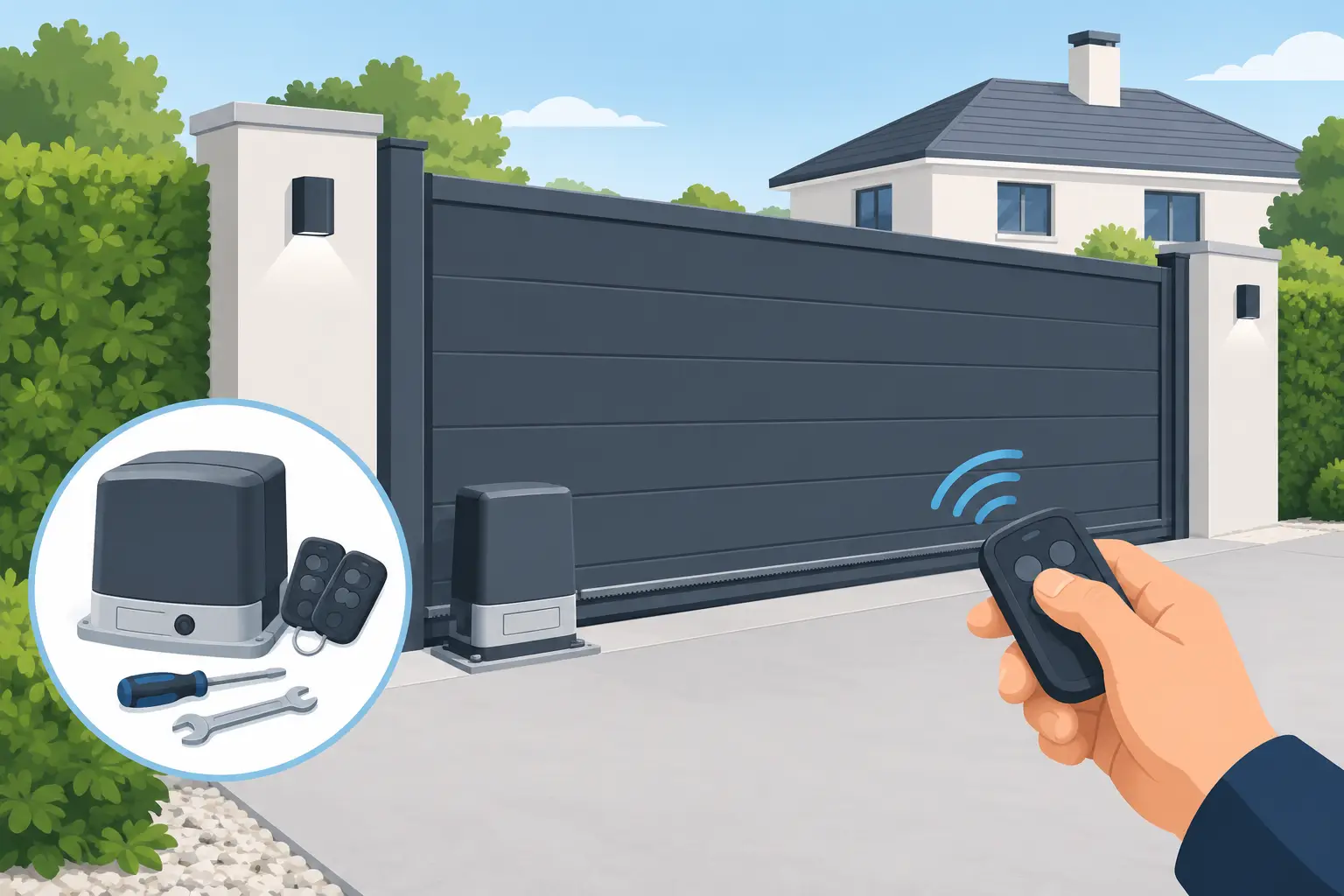
A DEA automated gate system is made up of more than the handset in your car. Depending on the installation, it may include underground or above-ground motors, a control panel, safety photocells, a receiver, keypads, intercoms, warning lights, cabling, and manual release equipment. When one component fails, the gate may stop completely, operate only in one direction, or appear to work normally until a particular condition exposes the problem.
This is why remote control problems should not always be treated as remote control problems. A weak battery is a simple possibility, but a handset that has lost programming, a damaged receiver aerial, electrical interference, or a control board fault can produce similar symptoms. Repeatedly pressing a remote or attempting random programming steps can make diagnosis harder and may compromise access control if old remotes have not been managed correctly.
Professional support provides a controlled approach. The system can be checked for power, signal reception, programmed transmitters, safety inputs, motor operation, and physical movement before replacement parts are suggested. For homeowners, that means less disruption at the driveway. For businesses, it helps avoid a gate becoming an unplanned barrier to staff, deliveries, customers, or emergency access.
When a DEA Remote Needs Replacing or Programming
A new remote is often required after a handset is lost, damaged, or no longer holds a dependable signal. It may also be sensible to add remotes when a household grows, a tenant changes, or a business needs to give access to new members of staff. The important point is that a working remote should be compatible with the receiver and programmed securely to the installation.
Older systems can use different frequencies, coding methods, and receiver configurations from newer DEA equipment. Appearance alone is not enough to confirm compatibility. A professional can establish what equipment is installed and advise whether a like-for-like remote, a correctly matched replacement, or an upgraded receiver is the better option.
Lost remotes deserve particular attention. If a remote has gone missing and may have been taken from a vehicle or property, simply buying another handset does not remove the security concern. The lost transmitter should be deleted from the system where possible, and the remaining authorized remotes should be checked. This is a small step that can prevent an old access credential from becoming a weak point in your property security.
For sites with frequent staff turnover or multiple users, individual remotes may not be the best long-term access method. A keypad, video intercom, Paxton access control system, or managed credential solution can provide clearer control over who can enter and when. The right choice depends on the number of users, the level of oversight required, and whether the gate needs to work alongside other security systems.
Common DEA Gate Faults and What They Can Mean
Automated gates are safety systems as well as access systems. A gate that stops, reverses, or refuses to close may be responding correctly to a detected obstruction. It could also be identifying a fault in a safety device. The cause needs checking before the gate is forced to operate.
Common issues include:
- The gate does not respond to any remote or keypad command.
- The gate opens but will not close, or closes only part way.
- The motor runs but the gate does not move smoothly.
- The gate reverses without an obvious obstruction.
- The system works intermittently, especially after rain or cold weather.
- Warning lights, photocells, or intercom release functions are not operating as expected.
A gate that will not close can be caused by blocked or misaligned photocells, damaged wiring, a faulty safety edge, a control panel setting, or an obstruction in the gate track. Gates that struggle or move noisily may have worn hinges, rollers, bearings, or a mechanical alignment issue placing extra load on the motor. In those cases, replacing the motor without addressing the gate structure can lead to another failure.
Power-related faults are also common. A tripped supply, deteriorated external cable, water ingress in an enclosure, or a damaged control board can affect the whole installation. If a system works occasionally, do not assume it is safe because it eventually opens. Intermittent faults can worsen quickly and are often more difficult to resolve once moisture, electrical damage, or mechanical wear has progressed.
Do Not Bypass Safety Devices
Photocells and safety edges are there to help prevent the gate from closing on a person, vehicle, or object. Bypassing them to get the gate moving may create a serious safety risk and can conceal the underlying fault. If your gate is behaving unpredictably, keep people and vehicles clear, use the manual release only if you understand how it operates safely, and arrange an inspection.
This matters especially at shared driveways, schools, healthcare locations, retail premises, and industrial sites, where users may not know the system is faulty. A professional repair should restore both operation and the safety functions that make automated access suitable for everyday use.
Repair, Upgrade, or Replacement: Making the Right Call
Not every DEA gate fault requires a new automation system. Many problems can be resolved with a replacement remote, receiver, photocell, control board component, motor repair, cabling repair, or adjustment to the gate itself. A repair is often the most cost-effective option when the automation is in good condition and suitable parts remain available.
An upgrade may be worth considering when the system has recurring faults, remotes are difficult to source, access needs have changed, or the existing safety arrangement no longer suits the site. For example, a homeowner may want video verification before releasing a visitor through the gate. A business may need better control over contractor and employee access. A managed development may benefit from a more organized approach to credentials and entry records.
Replacement becomes more likely when motors are beyond economic repair, the gate structure is badly worn, the control equipment is obsolete, or the installation does not meet current operational needs. The best decision should be based on condition, repair history, safety, and the role the gate plays in protecting the property – not on a one-size-fits-all recommendation.
Why Local Gate Expertise Matters
Gate faults rarely happen at a convenient time. A local engineer who understands Cheltenham, Gloucester, Tewkesbury, and the wider Gloucestershire area can provide advice that accounts for the type of property and use of the entrance. A quiet residential driveway has different priorities from a busy delivery yard, a hospital service entrance, or an apartment car park.
JP Security brings 37 years of security experience to gate automation, remotes, repairs, intercoms, CCTV, alarms, and access control. That broader capability matters when a gate fault connects to another part of the property security setup. A video intercom release, vehicle barrier, keypad, or access control system can be assessed as part of the same solution rather than treated as an isolated issue.
Before arranging work, it helps to note the symptoms: whether the gate responds to any controls, when the fault began, whether it follows rain or a power cut, and whether warning lights or safety beams are functioning. If you know the DEA model or can identify the type of motor, that can also help. Avoid opening control panels or changing settings unless you are qualified to do so.
A reliable automated gate should make entry straightforward while keeping control firmly with you. If your remote has been lost, your gate is inconsistent, or safety devices are preventing normal operation, speak to an expert before a minor access issue becomes a security or safety problem.
